Introduction
When it concerns choosing the right fencing product for your property, the alternatives can be overwhelming. Amongst the most popular choices are Colorbond fences, traditional wood, and vinyl. Each of these materials brings its distinct set of advantages and downsides, deciding procedure quite intricate. This post explores the nuts and bolts of comparing Colorbond fences to wood and vinyl, weighing their benefits and drawbacks so you can make an informed choice.
Understanding Colorbond Fences
What is a Colorbond Fence?
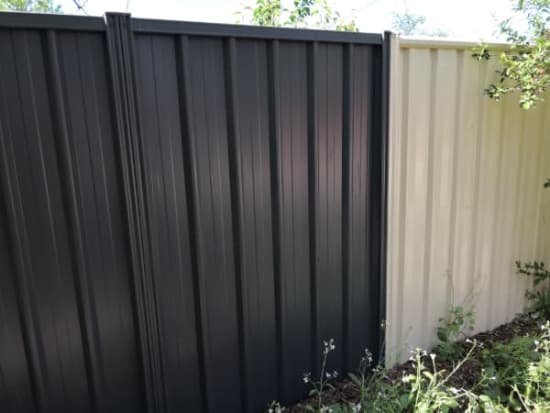
A Colorbond fence is a kind of fencing made from pre-painted steel. It's commonly acknowledged for its resilience and visual appeal. The Colorbond process involves covering steel with numerous layers of protective paint that can withstand severe weather conditions, making it an excellent option for different climates.
Key Functions of Colorbond Steel Fences
- Durability: Extremely resistant to use and tear. Low Maintenance: Requires minimal maintenance compared to wood. Variety of Colors: Available in a variety of colors to match your visual preferences. Security: Offers a robust barrier against intruders.
Wood Fencing: A Standard Choice
Advantages of Wood Fencing
Wood fencing has actually been a staple in domestic lawns for decades. Here are some advantages:
Natural Visual Appeal: The heat and texture of wood provide an inviting look. Versatile Styles: Readily available in various designs such as picket, split rail, or privacy styles. Cost-Effective Options: Generally more affordable than both Colorbond and vinyl choices initially.
Disadvantages of Wood Fencing
Despite its beauty, wood fencing has several disadvantages:
Maintenance Needs: Requires routine staining or painting to avoid rot. Vulnerability to Pests: More vulnerable to termites and other insects. Weather Effects: Can warp or fracture gradually due to direct exposure to the elements.Vinyl Fencing: The Modern Alternative
Benefits of Vinyl Fencing
Vinyl fencing has surged in appeal for many years due to its contemporary advantages:
Low Maintenance Requirements: Does not need painting or staining. Durability Versus Elements: Resistant to fading, breaking, or chipping. Variety in Designs: Is available in various designs that simulate wood without the drawbacks.Drawbacks of Vinyl Fencing
However, vinyl isn't ideal either:
Higher Preliminary Cost: Normally more expensive in advance compared to wood. Temperature Sensitivity: May become brittle in extreme cold conditions. Limited Personalization Options: While available in many colors, choices are fewer compared to wood aesthetics.Comparing Colorbond Fences to Wood and Vinyl: Pros and Cons
When taking a look at all 3 options-- Colorbond fences, wood, and vinyl-- it's essential to weigh each product's pros and cons carefully.
|Function|Colorbond Fence|Wood Fence|Vinyl Fence|| ------------------------|-----------------------|----------------------|----------------------|| Durability|High|Moderate|High|| Upkeep|Low|High|Low|| Aesthetic Appeal|Modern/Sleek|Natural/Warm|Modern/Versatile|| Expense|Moderate|Low (at first)|High (initially)|| Insect Resistance|Exceptional|Poor|Outstanding|| Weather condition Resistance|Excellent|Moderate|Excellent|
Cost Contrast Among Materials
Initial Costs
The initial expenses differ significantly between these three products:
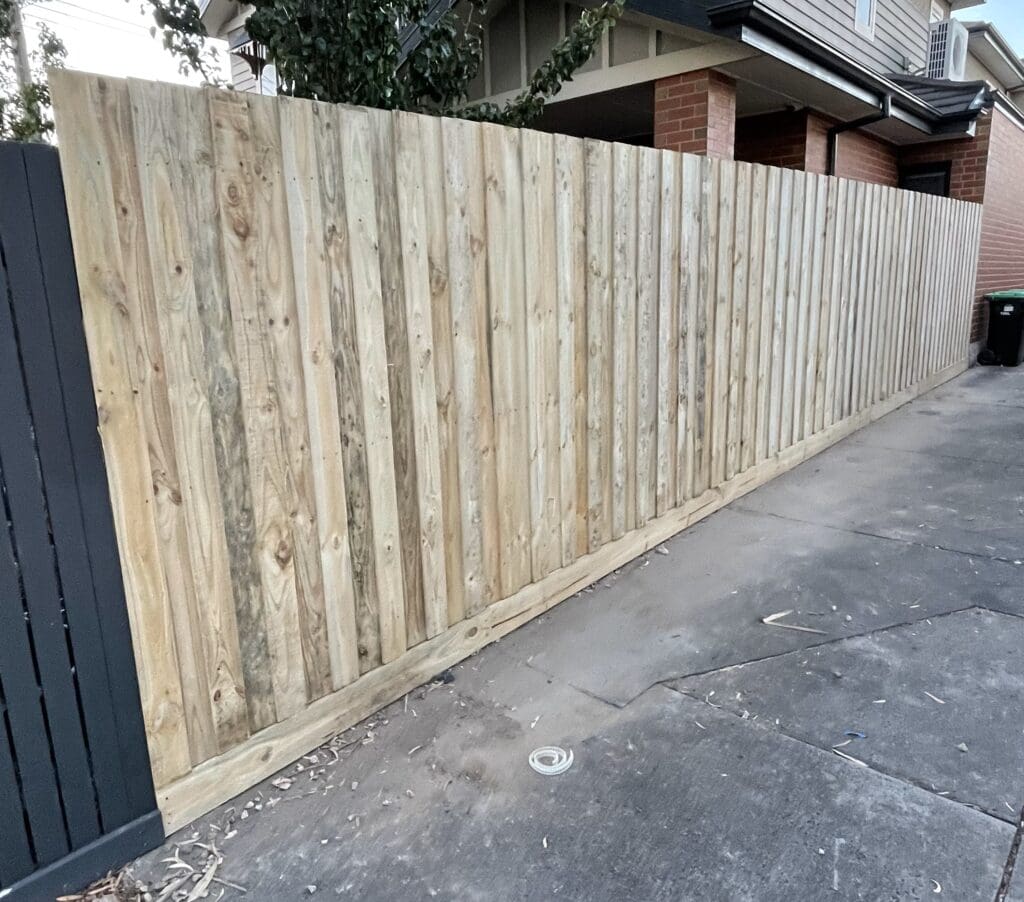
- A common wooden fence may cost around $10-$30 per direct foot. Vinyl fencing usually runs about $20-$40 per direct foot. Meanwhile, a Colorbond steel fence averages $25-$50 per linear foot depending on color choices.
Long-Term Costs
It's essential likewise to think about long-term upkeep expenses:
- Wooden fences need regular maintenance every few years, which can build up considerably over time. Vinyl fences have very little maintenance but may require periodic repairs if damaged. In contrast, Colorbond fences are almost maintenance-free after installation.
Environmental Effect Considerations
Sustainability Aspects
In today's eco-conscious world, sustainability is essential when selecting products:
- Wood If sourced sustainably from managed forests, wood can be considered environmentally friendly since it's biodegradable. Vinyl Although durable and low-maintenance, vinyl production involves nonrenewable fuel sources which may not be sustainable long-term. Colorbond Steel Steel is recyclable; thus, at its end-of-life cycle phase, it positions less ecological impact if dealt with properly.
Installation Process Overview
Installing Colorbond Fences
Installing a Colorbond fence typically needs expert aid due to the weight of the panels and products included. Expect around 1-- 3 days for installation depending on your lawn's size.
Installing Wood Fences
A wood fence installation can be done DIY-style or via experts as well however may take https://blogfreely.net/raseiswglu/h1-b-colorbond-fence-installation-professional-vs-do-it-yourself-whats longer due to the requirement for accurate measurements and treatments against pests.
Installing Vinyl Fences
Vinyl setups are typically easier than both other types however still need careful planning for appropriate alignment.
FAQ Section
1. How long does a Colorbond fence last?
A well-maintained Colorbond fence can last upwards of twenty years or more due to its long lasting building versus weather condition fluctuations.
2. Is a wood fence great for privacy?
Yes! Wood fences provide fantastic privacy choices with strong panel designs that block sightlines effectively.
3. Can I paint my vinyl fence?
While you technically might paint it, it's usually unnecessary as the majority of vinyl items come pre-colored with UV-resistant pigments designed not to fade over time.
4. Exist any warranties on these kinds of fences?
Yes! Most producers provide service warranties varying from ten years approximately lifetime warranties depending on brand reputation for both vinyl and Colorbond products.
5. How do I clean my color bond steel fence?
Simply wash with soap & & water solution utilizing a soft fabric or sponge; avoid abrasive tools that could scratch surfaces!
6. What's better for seaside locations-- Color bond steel or wood?
For seaside areas where saltwater rust is prevalent-- Color bond steel would be preferable due its corrosion-resistant homes unlike prone woods like pine!
Conclusion
Choosing between a Colorbond fence, wood fencing, or vinyl comes down primarily to personal preference together with useful considerations like spending plan restrictions or regional climate elements influencing resilience needs! When comparing Colorbond fences specifically versus their wooden & & vinyl equivalents-- it ends up being clear they shine vibrantly when resilience satisfies low upkeep demands without compromising on aesthetic value!
So whether you're drawn toward that streamlined modern appearance used by Color bond products-- or possibly preferring traditional appeal discovered within handcrafted wood barriers-- knowing all pros & & cons permits you ultimately guide towards making best decision tailored exactly based upon what matters most uniquely YOU!